
Hollywood's Reboot Obsession: The Movies, The Ratings, And The Reality Check
Let's stop speaking in metaphors.
Hollywood hasn't been "experimenting."
It has been rebooting, remaking, reviving, and recycling — aggressively — for the last five years.
And the results?
Mostly disappointing. Sometimes embarrassing.
So let's call it out properly.
With movie names, ratings, and what actually went wrong.
Ghostbusters (2016) & Ghostbusters: Afterlife (2021)
Ghostbusters (2016)
Rotten Tomatoes: ~74% critics, much lower audience score
Audience reaction: Rejected hard
Problem: Tone confusion + forced reinvention instead of respect
Afterlife (2021)
Better reception, nostalgia-heavy
But relied almost entirely on emotional callbacks
Verdict:
Nostalgia helped one film recover damage done by another.
That's not a strategy. That's damage control.
The Matrix Resurrections (2021)
This one hurt fans the most.
Rotten Tomatoes: ~63%
Audience score: Much lower
Box office: Disappointing
Problem:
The film mocked its own existence while still asking fans to care.
Meta commentary is clever.
But clever doesn't replace:
stakes
emotional investment
a reason to exist
Verdict:
A reboot that felt more like an apology than a story.
Charlie's Angels (2019)
Rotten Tomatoes: ~52%
Box office: Flop
Problem:
Mistook branding for storytelling.
Strong cast.
Weak writing.
No clear reason why this version needed to exist.
Verdict:
A reboot nobody asked for — and nobody defended.
Men in Black: International (2019)
Rotten Tomatoes: ~23%
Audience reaction: Flat
Box office: Underwhelming
Problem:
Removed the chemistry.
Kept the logo.
Turns out, Men in Black without the original dynamic is just… people in suits.
Verdict:
Proof that IP alone can't carry a movie.
Terminator: Dark Fate (2019)
Rotten Tomatoes: ~70% critics
Audience score: Much lower
Box office: Failed
Problem:
Ignored previous sequels.
Brought back original stars.
Still couldn't move forward meaningfully.
Verdict:
You can't reboot your way out of creative exhaustion.
Disney's Live-Action Reboot Era (2019–2024)
Let's group these, because the pattern is obvious.
The Lion King (2019)
Visually impressive
Emotionally hollow
Criticism: "Why does this exist?"
Mulan (2020)
Rotten Tomatoes: ~72%
Audience reaction: Cold
Problem: Removed heart, added spectacle
Pinocchio (2022)
Rotten Tomatoes: ~27%
Audience reaction: Largely negative
Peter Pan & Wendy (2023)
Mixed to poor reception
Zero cultural impact
Verdict:
Beautiful recreations.
Very little soul.
Audiences didn't want realism.
They wanted feeling.
Indiana Jones and the Dial of Destiny (2023)
This one was painful to watch — emotionally.
Rotten Tomatoes: ~69%
Box office: Major disappointment
Problem:
Some characters deserve an ending, not another adventure.
Dragging icons forward without urgency doesn't feel epic.
It feels forced.
Verdict:
Legacy should be honoured, not extended endlessly.
What All These Reboots Have in Common
Different studios.
Different genres.
Same outcome.
Safe choices
Familiar names
Minimal risk
Forgettable impact
None of these films were disasters because they were reboots.
They failed because they had nothing new to say.
The Hard Truth Hollywood Avoids
Audiences aren't tired of cinema.
They're tired of being sold the past as the future.
Every reboot says:
"Remember this?"
Very few ask:
"What's next?"
And that's why boredom is spreading.
Final Question (And It Matters)
If reboots keep failing,
ratings keep dropping,
and audiences keep disengaging…
At what point does Hollywood stop rebooting stories
and start rebooting its confidence?
Because nostalgia can bring people once.
But only originality brings them back.
Keep reading
Related Hollywood articles
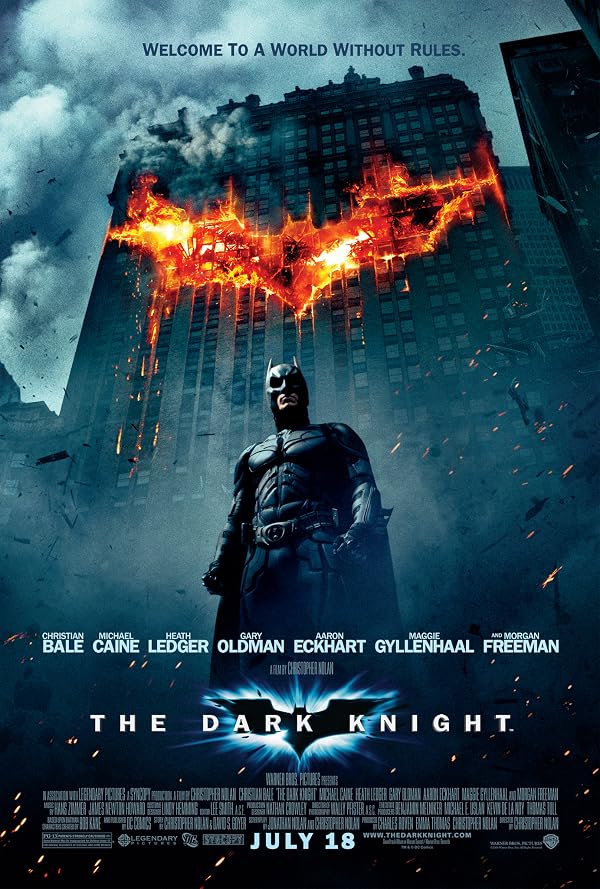
Best Hollywood Action Movies on JioHotstar This Week (week of 09-10-2026 Friday)
Best Hollywood action movies on JioHotstar this week (09-10-2026). John Wick, Mad Max: Fury Road, Top Gun: Maverick and more high-octane picks to stream now.
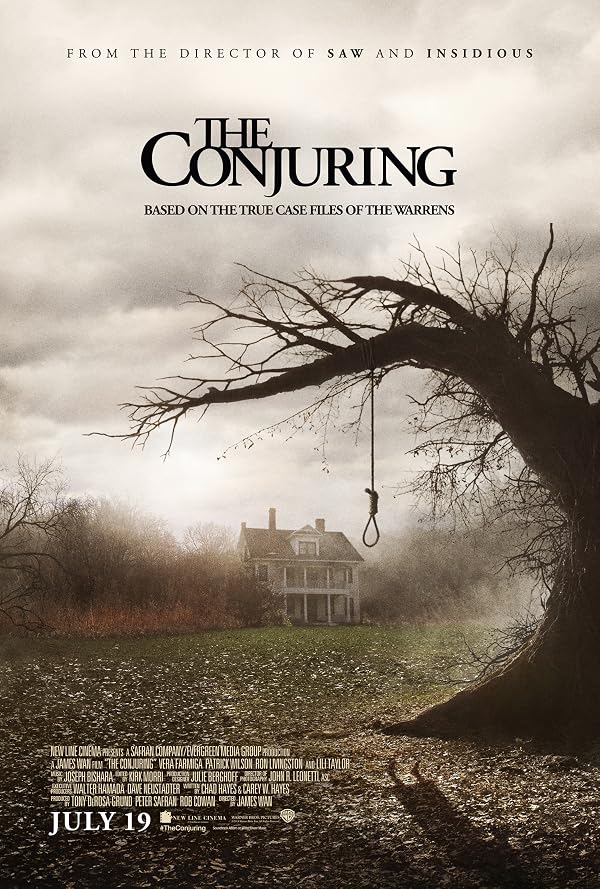
Best Hollywood Horror Movies on OTT This Weekend (03-10-2026 Saturday – 04-10-2026 Sunday)
Best Hollywood horror movies on OTT this weekend (03-10-2026 to 04-10-2026). Haunted houses, monsters, slashers and folk horror picks for a scary Saturday night.
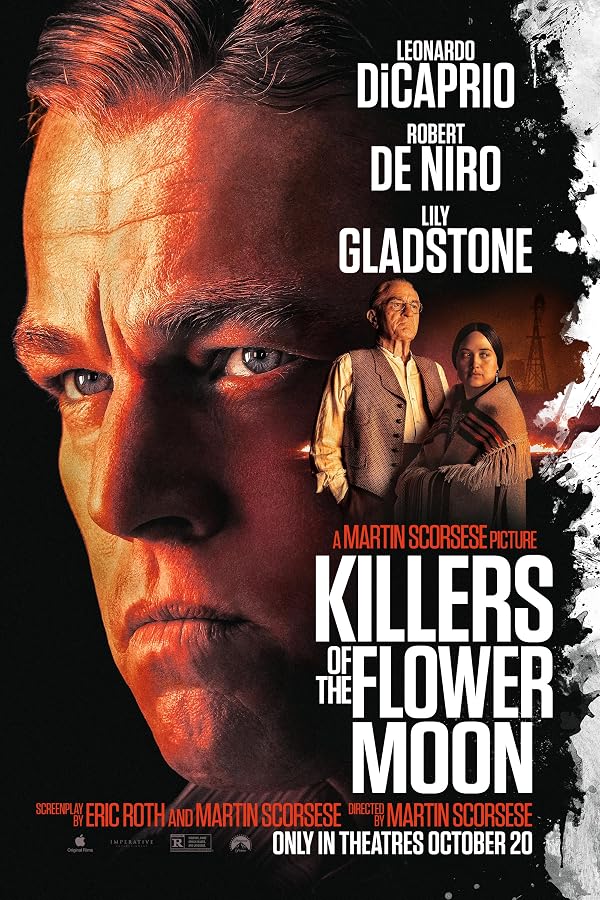
Best Hollywood Sci-Fi Movies on Apple TV+ to Stream This Weekend (26-09-2026 Saturday – 27-09-2026 Sunday)
Best Hollywood sci-fi movies on Apple TV+ to stream this weekend (26-09-2026 – 27-09-2026). From space epics to time-loop thrillers, here's what to watch.
Harry Potter Movies in Order: Complete List of All 8 Potter Films to Watch
Harry Potter movies in order — all 8 Potter movies from the Philosopher's Stone to Deathly Hallows Part 2, plus Hogwarts houses, trailers, and the best watch order.
Ready to test your knowledge?
Put your Hollywood knowledge to the test in Quizinema games — and follow @quizinema for daily reels.